

Spanish Reading Materials For Students
The Spanish reading material for students form an integral part of Aprendo Leyendo’s structured literacy program. Each decodable chapter book (cuentos) is paired with a skills book (cuadernillo). These are aligned to develop reading, spelling, handwriting, and listening skills through explicit and systematic instruction. As teachers introduce concepts, students apply them through reading, comprehension, and writing activities, all supported by scaffolded practice. The student texts are authored by Latin American educators and writers, ensuring linguistic and cultural authenticity.
The materials promote progressive acquisition of foundational reading skills, combining phonemic awareness, decoding, vocabulary, and comprehension in a coherent and cumulative sequence that leads to fluent and accurate reading in Spanish.
Structured and Sequence Student Materials
Aprendo Leyendo’s student materials support literacy development from the individual isolated sounds to fluent reading of complex multi-syllabic words in the Spanish language. Each level builds cumulatively upon the previous one through constant reinforcement, integrating decoding and encoding, vocabulary, comprehension, and listening practice.
Lessons follow a direct instruction model grounded in decades of reading research. Students strengthen accuracy, fluency, and language learning while reinforcing foundational reading skills through systematic review and connected practice.
What’s Inside for Your Classroom Skills Books and Decodable Chapter Books
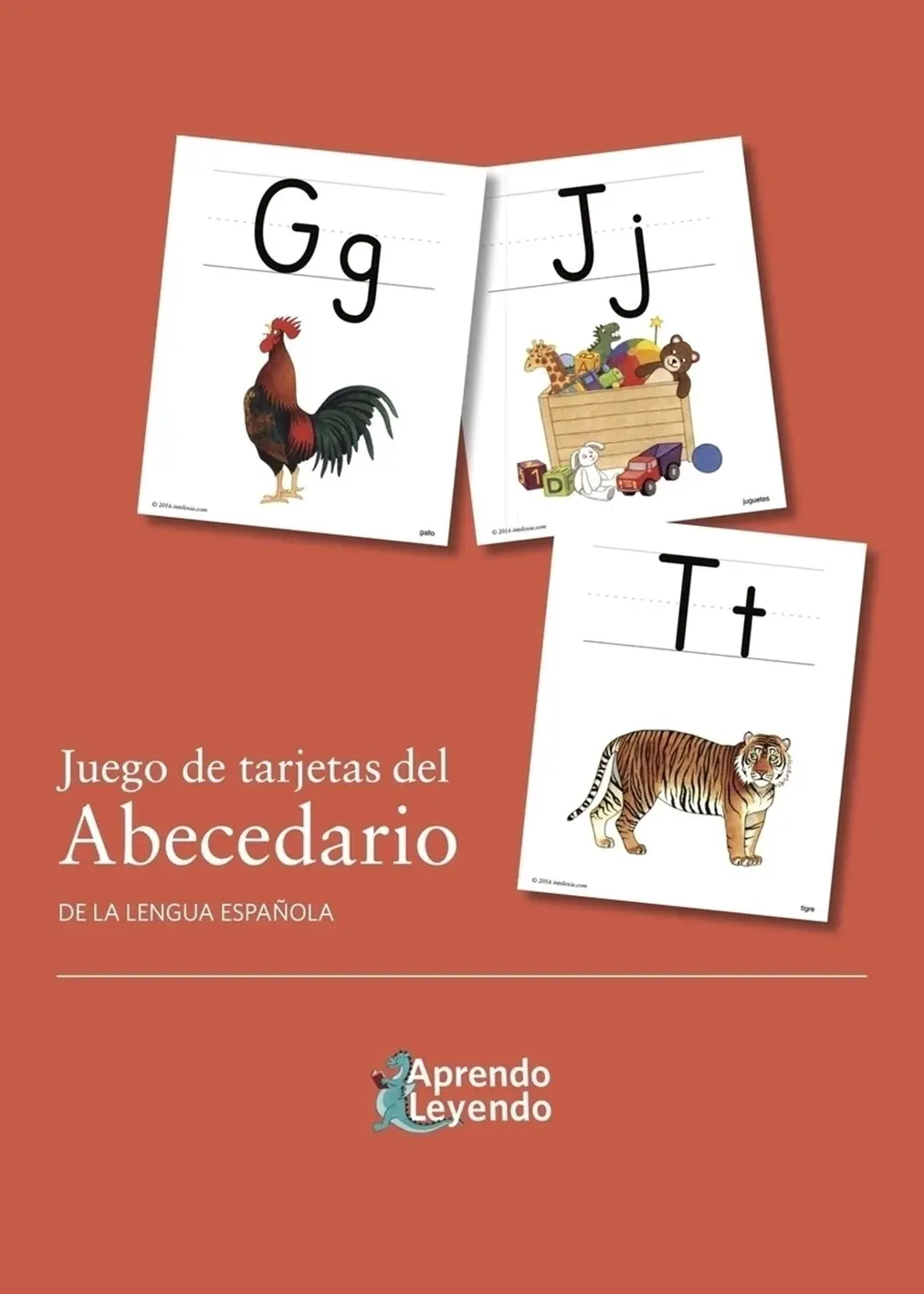
Our Spanish literacy skills books (cuadernillos) and decodable chapter books (cuentos) are intentionally designed to provide a structured, culturally authentic, and engaging path from a student’s first sounds to fluent reading.
The multicultural reading materials are authored by educators from Argentina, Mexico, and Spain to represent diverse characters and family systems in a non-stereotypical manner. They provide students with linguistic and cultural authenticity, while reflecting the diversity of students’ lived experiences.
Aprendo Leyendo’s sequential approach ensures measurable growth in phonics and comprehension through meaningful practice. Students build lasting reading fluency and language independence in Spanish, and gain literacy skills that transfer between languages.
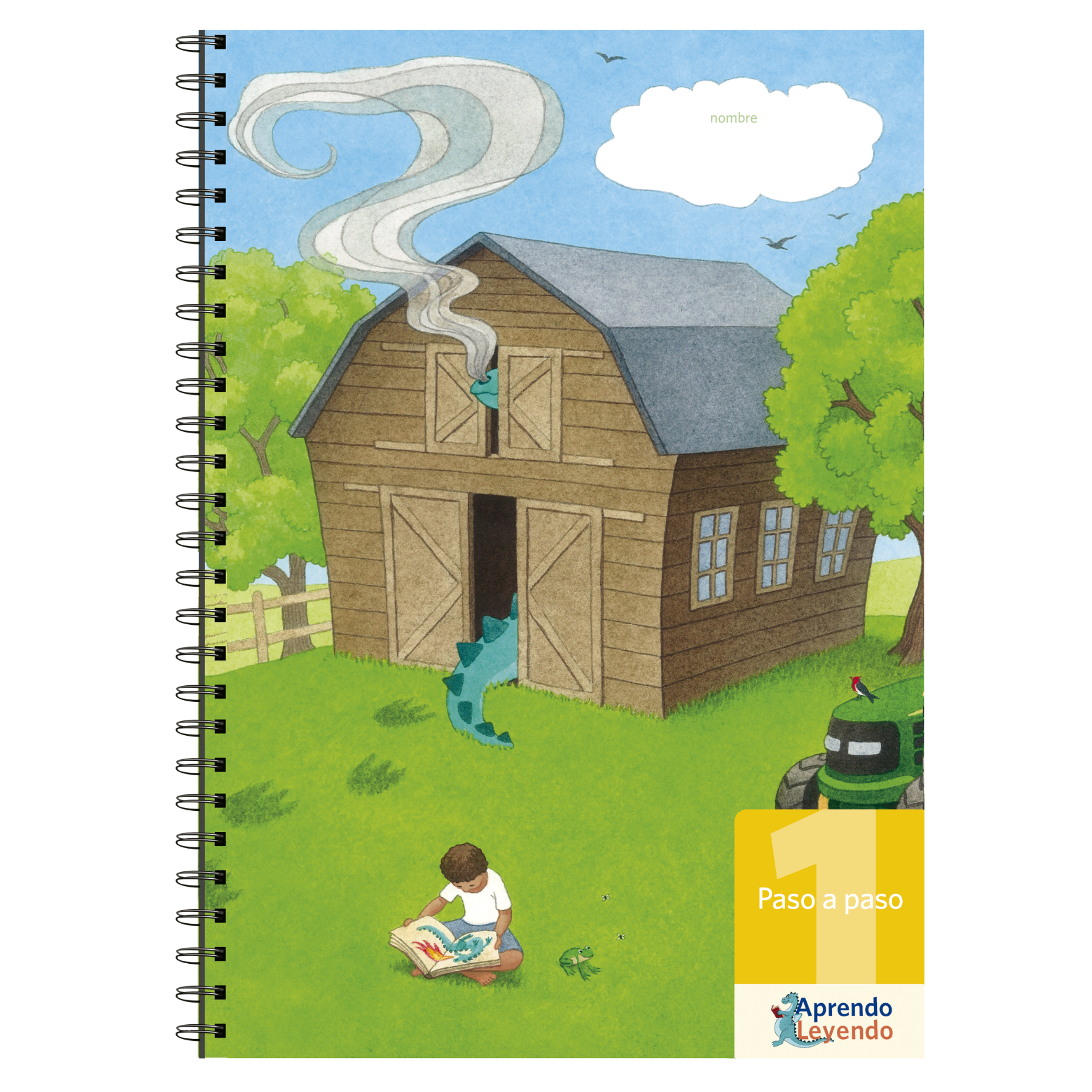
Paso a Paso
Cuadernillo 1
Vowel: a
Consonants: c, s, m, l, p, t, g, n, d
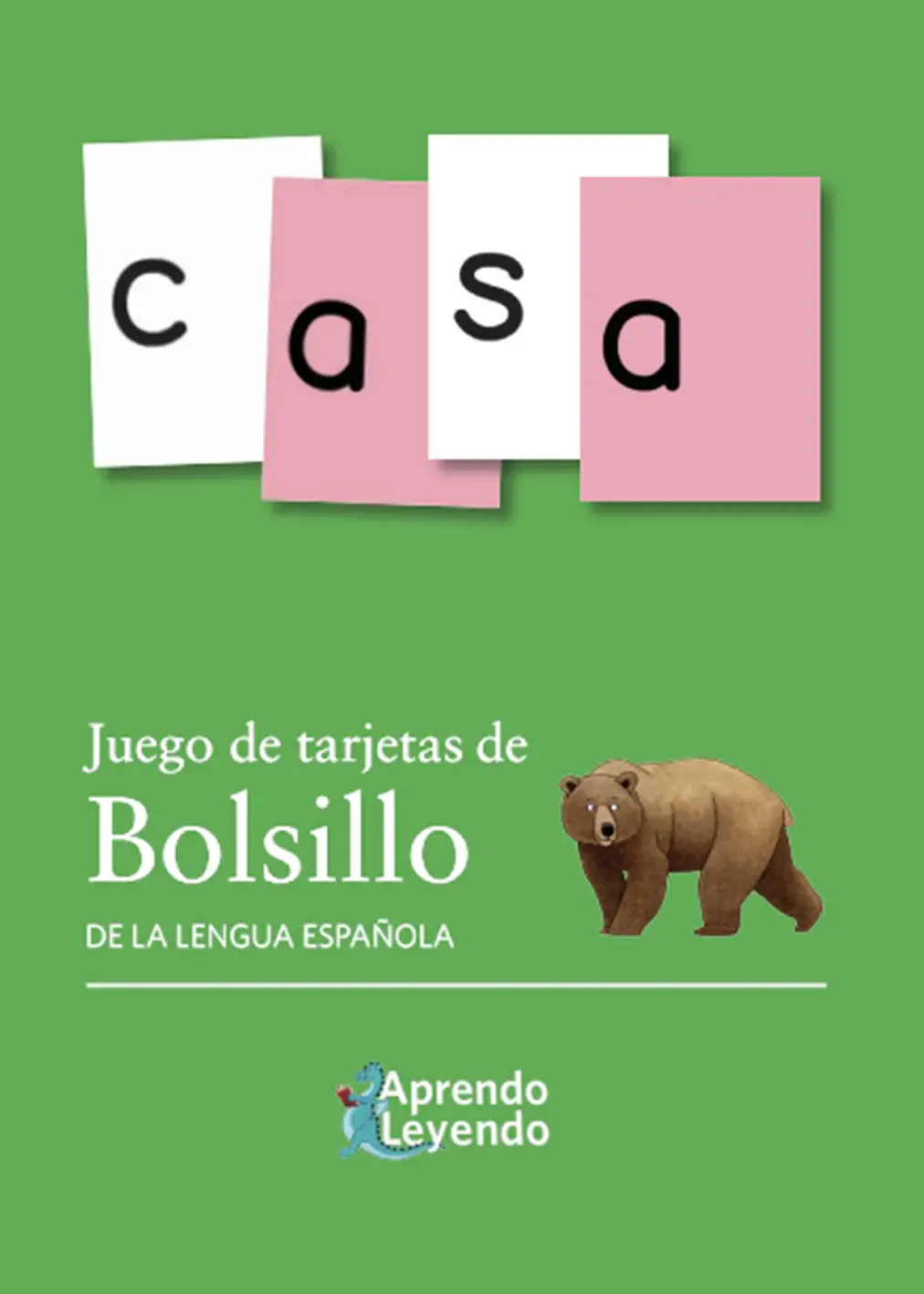
Syllable type: vcv (ex: casa), one and two-syllable words
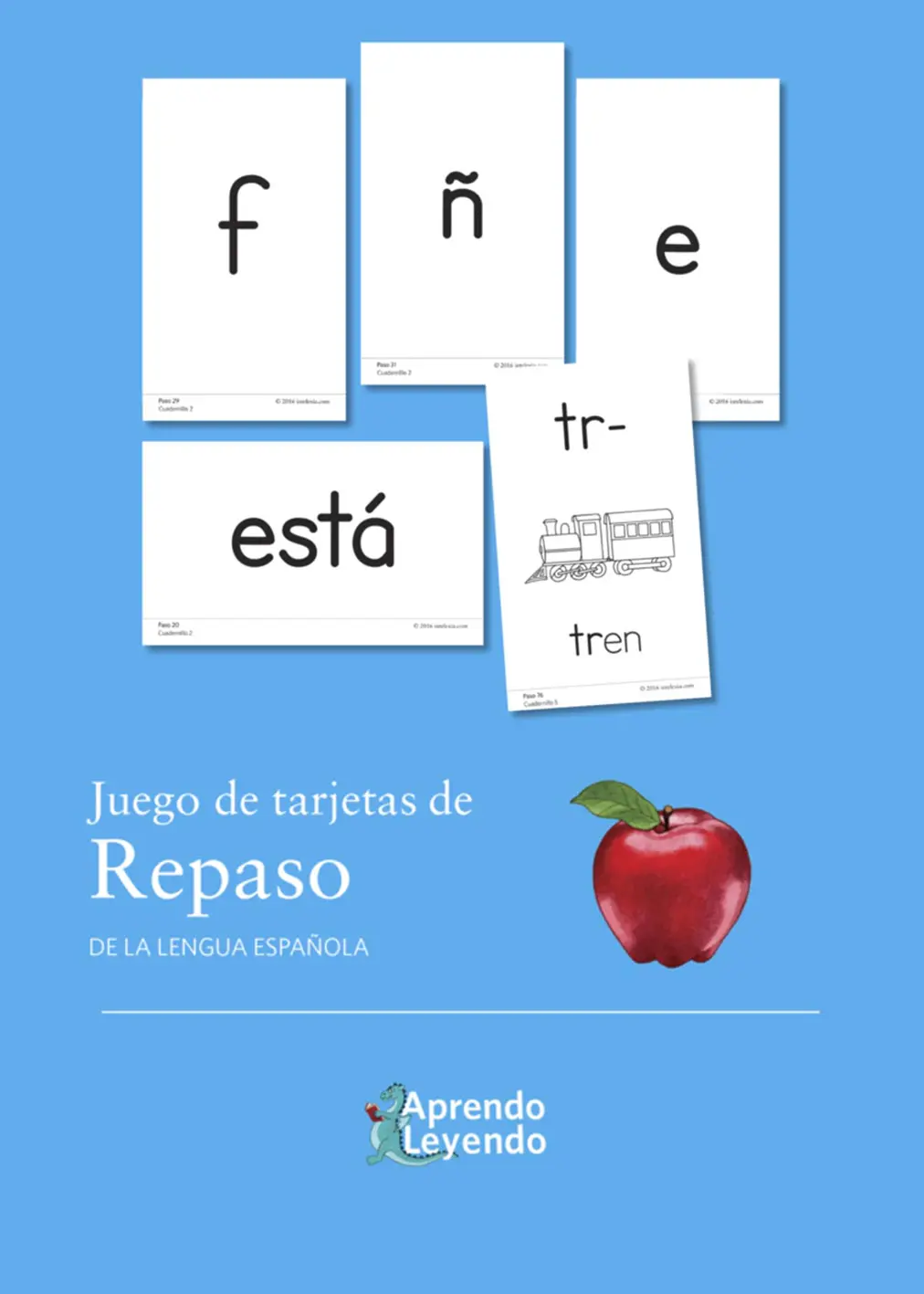
Phonological Awareness: counting syllables, isolating the initial sound, segmenting spoken words into sounds, and combining sounds into syllables and words.
Punctuation: use of capital letters, period, and of the tilde
Multiple meaning words
Reading Comprehension: Simple fiction texts
Recommended Teacher Materials
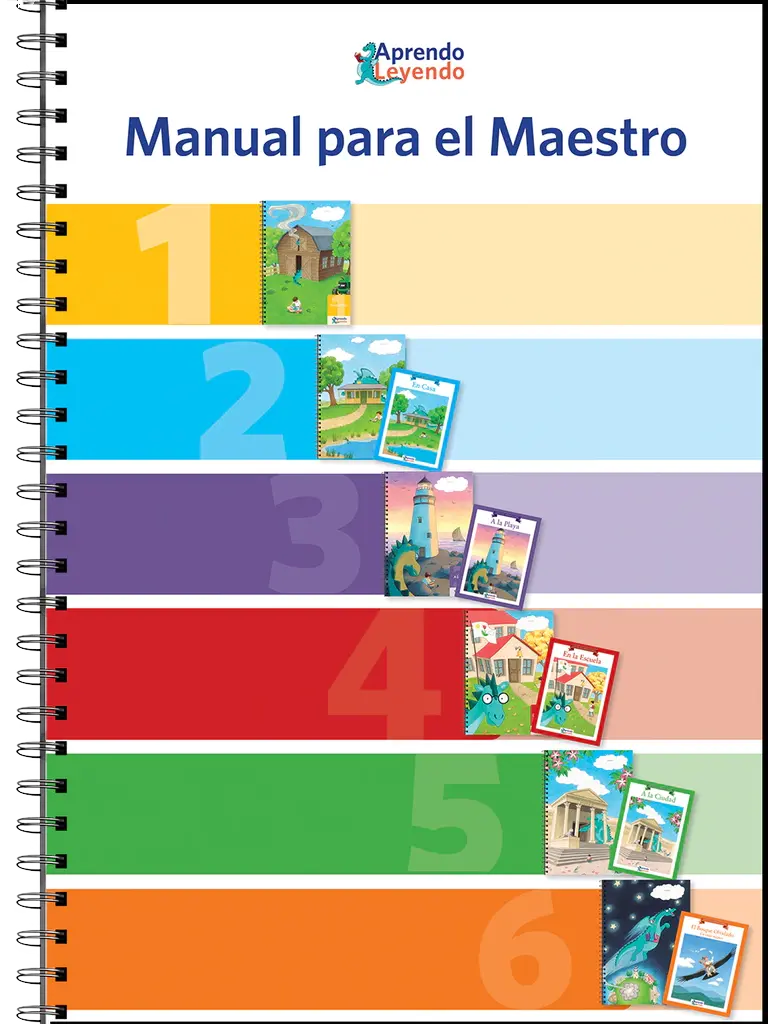
En Casa
Cuadernillo 2
Vowel: e
Consonants: v, r, j, f, ñ
Syllable type: vcv words, three-syllable words
Punctuation: exclamation and question marks
Plural suffix
Cuento 2
Vowel: e
Consonants: v, r, j, f, ñ
Syllable type: vcv words, three-syllable words
Reading Comprehension: Fiction Texts
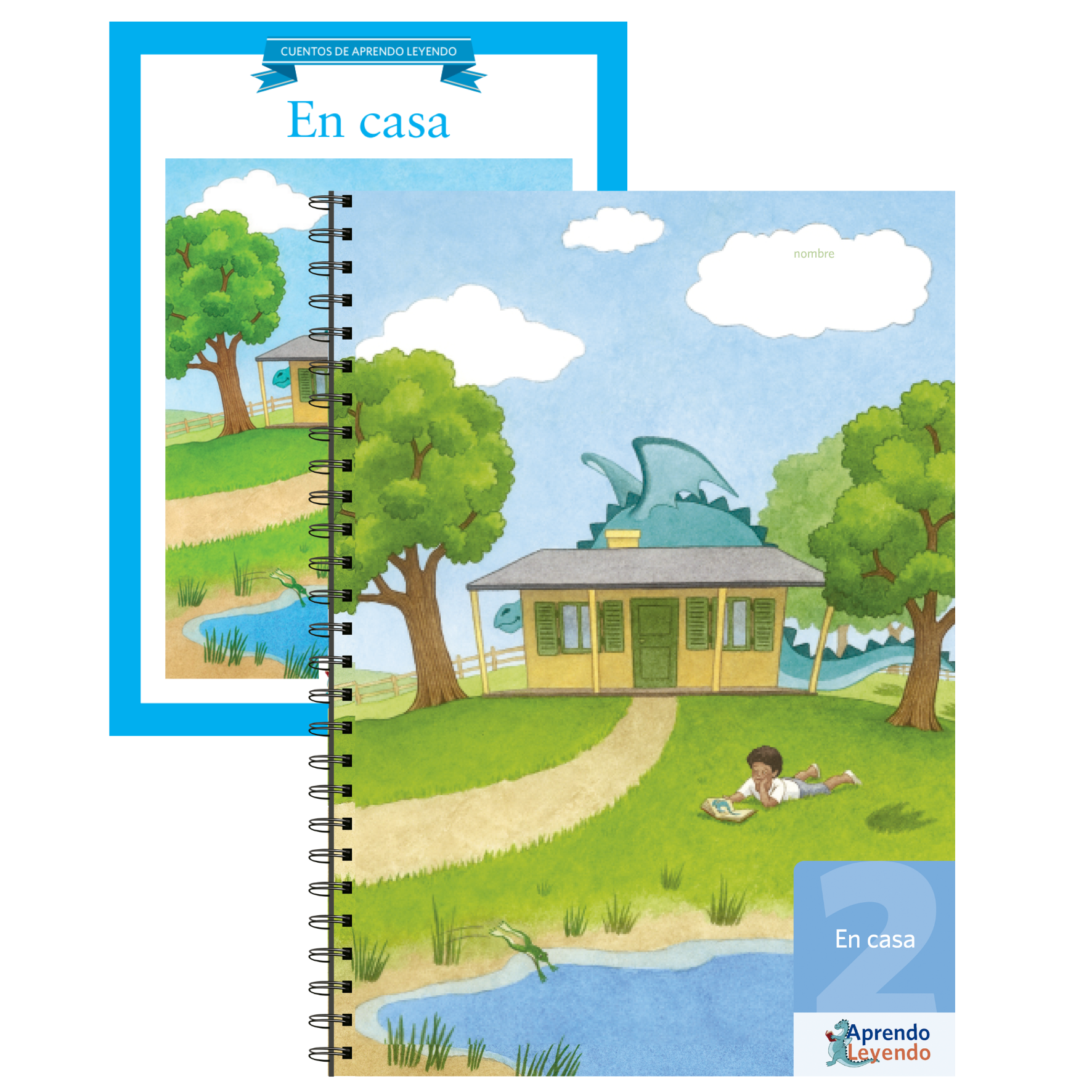
A lively family—Nana, Papá, Mamá, Maca, Pepe, and their pets—spend their days lakeside while baking, exploring, and meeting surprise animal visitors. En Casa celebrates simple joys, curiosity, and caring for animals while offering playful adventures that support early reading and decoding skills.
Recommended Teacher Materials
A la Playa
Cuadernillo 3
Vowel: o
Consonants: y, b, h, z
Syllable type: vccv words
Verb forms : third-person plural (present tense) and infinitive
Cuento 3
Vowel: o
Consonants: y, b, h, z
Syllable type: vccv words
Reading Comprehension: More complex fiction texts
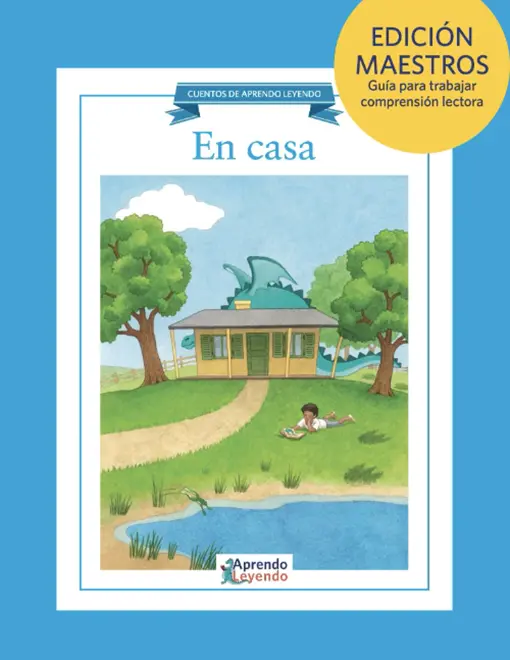
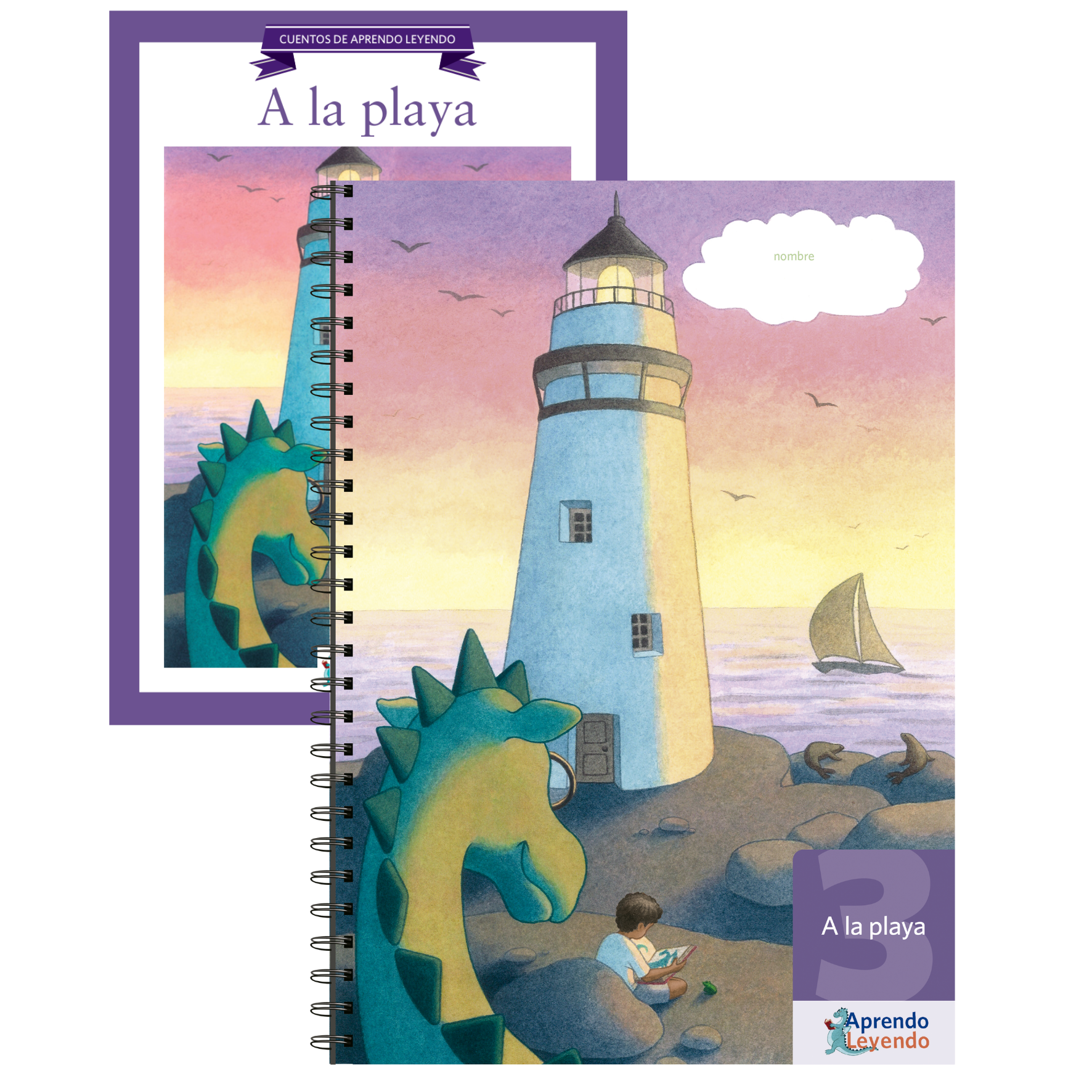
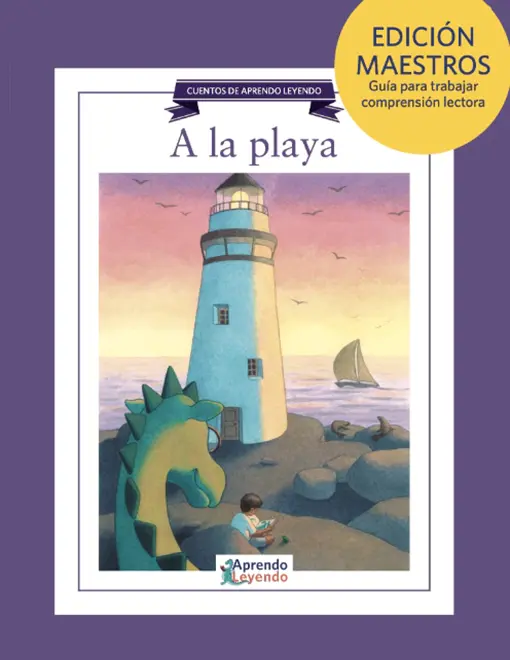
In A la Playa, Maca and Pepe spend a joyful summer by the sea at their grandfather Nono’s beach house. They explore the lighthouse, swim, spot seals, take a boat ride, and feed birds. Days are filled with barbecues, sand castles, flying kites, eating ice cream, and family laughter. When summer ends, they head home—treasuring their adventures and already dreaming of their next visit to Nono’s.
Recommended Teacher Materials
En la Escuela
Cuadernillo 4
Vowels: i, u
Consonants: x, k, w
Syllable type: vccv words, three-syllable words
Digraphs: /qu/, /ch/, /ll/, /rr/
Simple present tense verbs
Suffixes:-ito/-ita
Cuento 4
Vowels: i, u
Consonants: x, k, w
Syllable type: vccv words, three-syllable words
Digraphs: qu, ch, ll, rr
Reading Comprehension: Fiction and Information texts
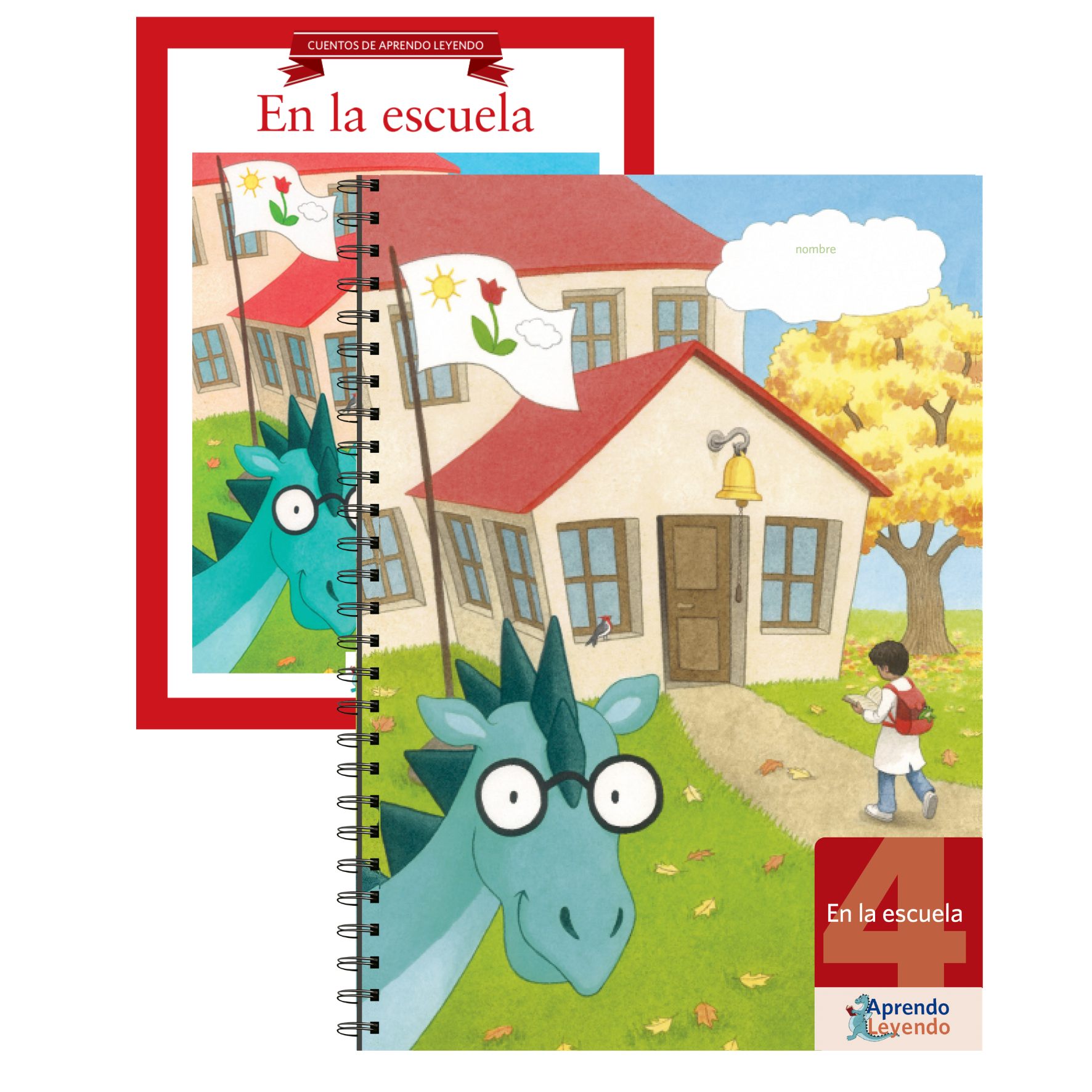
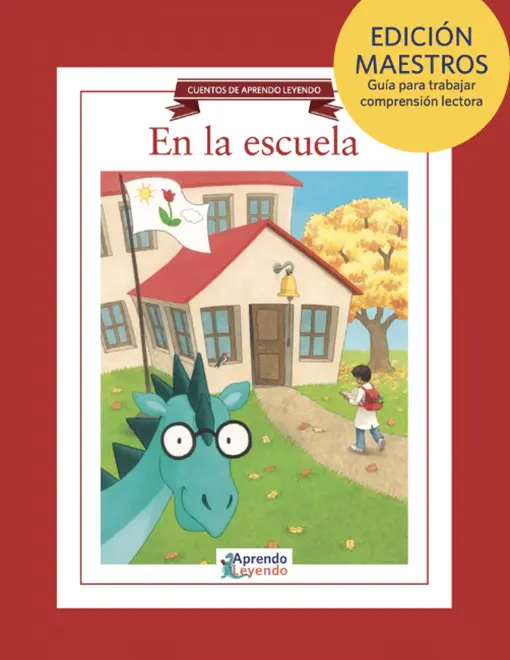
In En la Escuela, Maca and Pepe begin a new school year, meet their teacher, make friends, and discover their love of books. At home, life is busy too—Tete the frog sneaks into Pepe’s backpack, their baby sister Elina arrives, and even Cata the cat has kittens. Between soccer games, new routines, and the end-of-year fair, the children learn, grow, and enjoy the many adventures school and family bring.
Recommended Teacher Materials
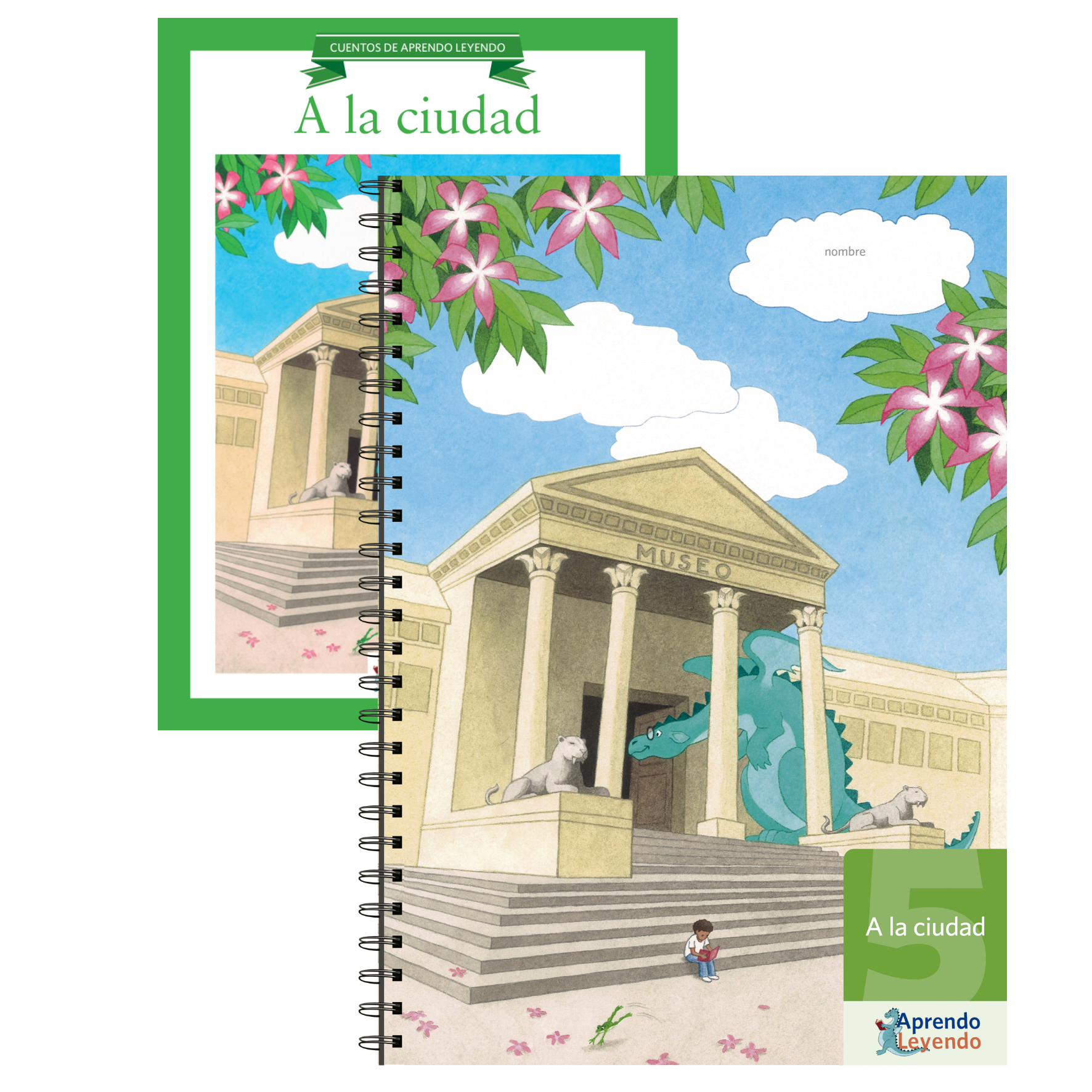
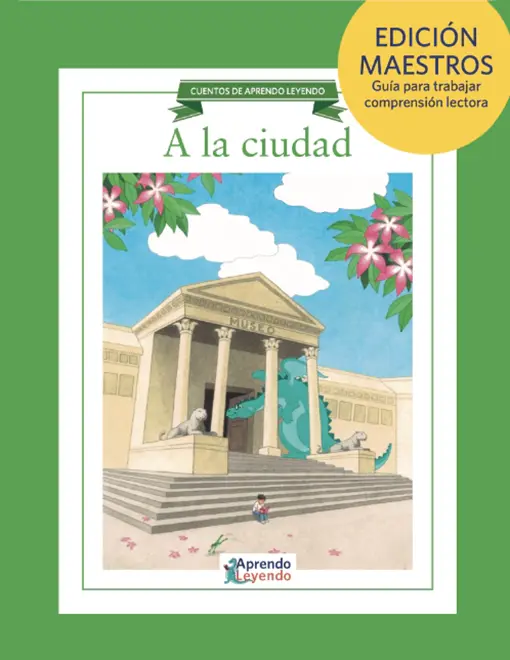
A la Ciudad
Cuadernillo 5
Letters: c /s/ and g /j/
Vowels: vowel teams, letter y as a vowel /i/
Consonant blends: pl, bl, gl, fl, cl, br, pr, tr, dr, fr, gr, cr
Syllable type: vv words (ex: después), four-syllable words
Verb forms: present, past, and future tenses
Nouns and Verbs
Cardinal numbers
Interrogative Pronouns
Reading math problems
Days of the week
The four seasons
Cuento 5
Letters: c /s/ and g /j/
Vowels: vowel teams, letter y as a vowel /i/
Consonant Blends: pl, bl, gl, fl, cl, br, pr, tr, dr, fr, gr, cr
Syllable type: vv words (ex. después), four-syllable words
Reading comprehension: More complex information texts and fables
In A la Ciudad, Maca visits her Aunt María and cousin Siena, discovering the excitement of city life—from a packed soccer stadium to a museum visit and lunch on a terrace overlooking a river. Later, Siena explores Maca’s quiet countryside, finding its open spaces and simple joys just as magical. This chapter book celebrates family, friendship, and the wonder of experiencing two very diverse worlds.
Recommended Teacher Materials
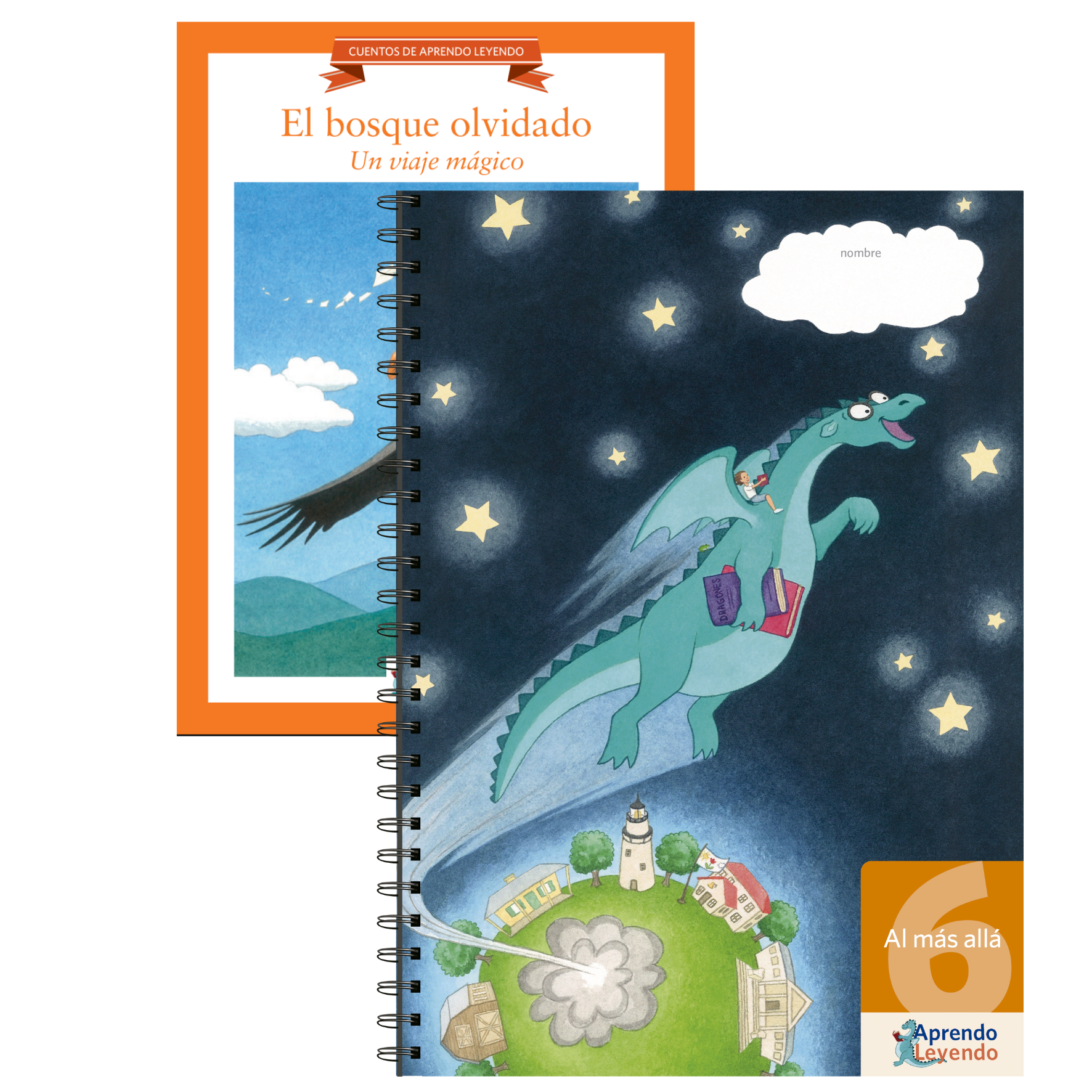
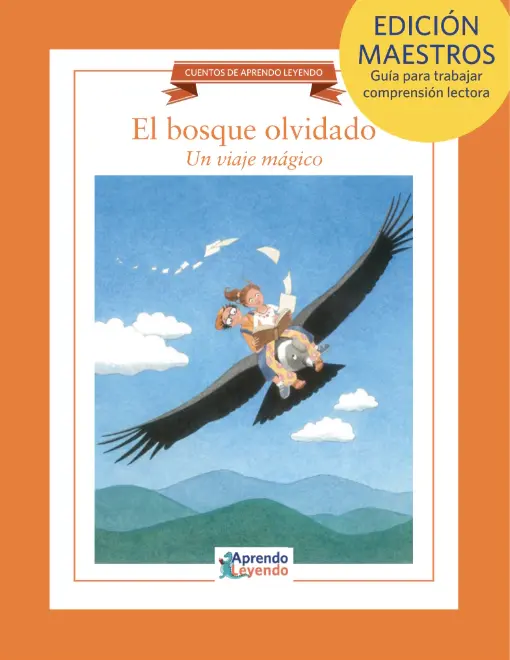
Al Más Allá
Cuadernillo 6
Syllable types: vcccv words
Multisyllabic words
Compound words
Family of words
Suffixes: -mente, -ción, -ísimo/ísima
Verb Conjugations: -amos/emos/imos, -aron/ieron, -ando/iendo
Digraphs: gu+e, i
Reading maps
Months of the year
Cuento 6
Syllable type: vcccv words
Multisyllabic words
Digraphs: gu+e, i
Suffixes: -mente, -ción, -ísimo/ísima
Verb Conjugations: -amos/emos/imos, -aron/ieron, -ando/iendo
Reading comprehension: Complex texts and independent reading
In El Bosque Olvidado, friends Pedro and Flor get separated during a school trip to Machu Picchu and slip into the magical forest. Guided by enchanted animals, they journey through the Amazon, the Galápagos, and the Perito Moreno Glacier, uncovering a wizard’s spell. To return home, they must work together—finding courage, friendship and wonder along the way.
Recommended Teacher Materials
Supporting Student Learning Classroom Reading Materials that Work
Aprendo Leyendo’s student materials integrate the key components of reading instruction—phonemic awareness, phonics, vocabulary, spelling, handwriting, and comprehension—within a structured, evidence-based framework. Each activity reinforces prior learning to ensure students make steady progress and can move towards mastery.
The student materials are supported by guided teacher materials and assessments that help educators differentiate instruction, offer targeted support, and track progress effectively.
Here’s how our approach creates a more focused and successful classroom experience:
Explicit & Systematic
Instruction
Instruction follows a defined sequence that progresses from simple to complex. Each concept is introduced through explicit teaching, reinforced through guided practice, and sustained through review.
Multisensory
learning
Lessons engage multiple modalities. Students see, say, and write each sound and word, strengthening accuracy and comprehension through visual, auditory, and kinesthetic integration.
Decodable and
Controlled Language
Texts include only previously introduced sounds and skills, supporting automatic word recognition, fluency, and comprehension in Spanish.
Trusted by Schools and Educators
Aprendo Leyendo is used by schools across the United States and Latin America.
Educators highlight how its sequence, clarity, and explicit instruction make teaching more effective, and how students gain independence and stay motivated as their reading skills grow.
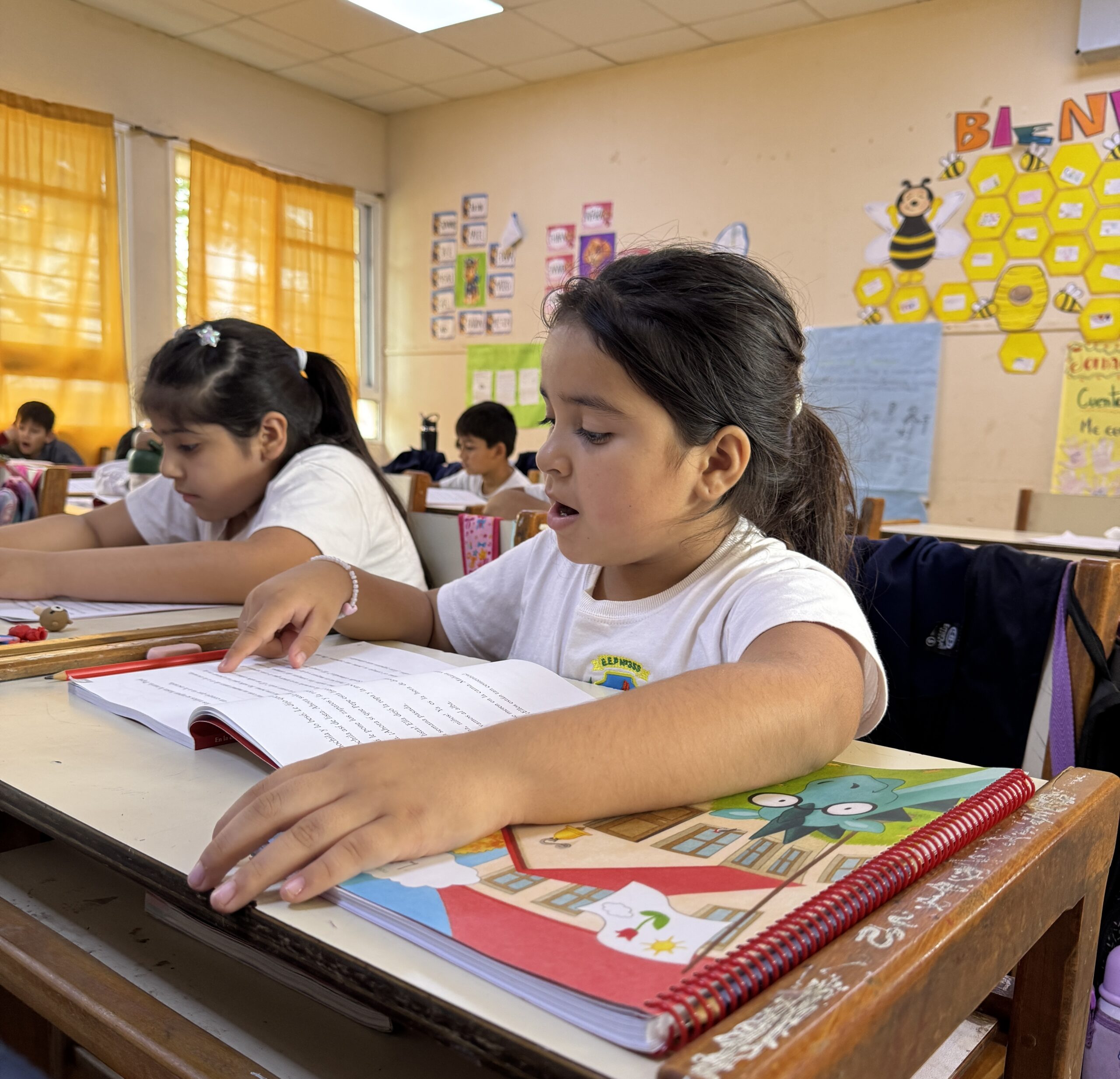
From First Sounds To Fluent Reading
Independent studies conducted between 2019 and 2026 demonstrate measurable improvements in decoding, fluency, and comprehension with Aprendo Leyendo.
- 84,000+ demonstrated measurable gains in fluency and comprehension.
- 100% of teachers reported higher engagement and stronger reading motivation.
- Research supported by Haskins Global Literacy Hub at the Yale Child Study Center, Yale University, the University of Connecticut, and Universidad de la Ciudad de Buenos Aires.
Start Your School’s Journey To Independent Readers
Bring Aprendo Leyendo’s Spanish reading program to your classrooms and help every learner build solid reading skills through explicit, evidence-based instruction. With structured, engaging resources, students gain the fluency, accuracy, comprehension, and motivation they need to succeed.
Frequently Asked Questions
For whom are the Spanish reading materials for beginners designed?
Our Spanish reading materials for beginners are designed for early elementary students and Spanish learners who are beginning to read in the Spanish language. These materials guide children step by step—from sound-letter correlations, decoding (reading), encoding (spelling), fluency, accuracy, and comprehension—helping them grow into independent readers.
Are they aligned with Spanish literacy standards?
Yes. Our program materials align with national Spanish literacy standards and reading research. Instruction builds foundational skills through explicit and sequential lessons.
How do cuadernillos and cuentos work together?
The cuadernillos build foundational reading, spelling, writing and handwriting skills, while the cuentos provide opportunities to apply decoding and comprehension strategies in controlled, connected text. Both components follow the same instructional progression.
How are texts adapted for different skill levels?
Each level introduces new sounds, words, and sentence structures while reinforcing what students already know. This gradual progression ensures that every learner—from beginners to advanced students—can build confidence and succeed in reading Spanish.
Do you provide training for teachers using these materials?
Yes. Aprendo Leyendo includes professional development for teachers. Training sessions and resources help educators implement the program and materials effectively and guide students toward measurable growth in Spanish reading skills.
Can they be integrated into dual-language or bilingual programs?
Yes. The program is widely used in dual-language and bilingual settings. Its structured design supports Spanish literacy development and facilitates transfer to English reading and comprehension.